
सनातनी हिंदू नहीं हैं – देवदत्त पटनायक Sanatani is not a Hindu

तो 1950 के दशक में इंडोनेशिया ने बाली के हिंदू धर्म को देखा और कहा: अच्छा धर्म है, लेकिन अफ़सोस कि इसमें कोई पवित्र किताब, एक ईश्वर या पैगंबर नहीं है। इसे ठीक करो, वरना यह असली धर्म नहीं माना जाएगा। और बाली के लोगों ने, अपने मंदिर खुले रखने की वाजिब चाहत में, “ठीक है” कहा — चुपचाप ब्रह्मा, विष्णु और शिव को एक ही देवता (संग ह्यंग विधि, आपको परेशान करने के लिए माफ़ करें) में मिला दिया, वेदों की ओर इशारा करके उन्हें अपनी बाइबिल बताया, और कागज़ों पर मुहर लगवा ली।
किसी ने सूअरों को यह बात नहीं बताई। ‘बाबी गुलिंग’ (भुना हुआ सूअर) आज भी मंदिर के हर दावत की मुख्य डिश है। कोई दरवाज़े पर आपका गोत्र नहीं पूछता। बाली के मंदिर में गुजराती गरबा करने की कोशिश करेंगे तो आपको बाहर निकाल दिया जाएगा — इसलिए नहीं कि हिंदू धर्म में नाचने-गाने से नफ़रत है, बल्कि इसलिए कि उस मंदिर का मक़सद वह नहीं है।
यहां कृष्ण पहलवान और योद्धा हैं न कि स्त्री से घिरे नर्तक। यहां कोई रास-लीला नहीं है. नहीं राधा. कोई भागवत पुराण नहीं.
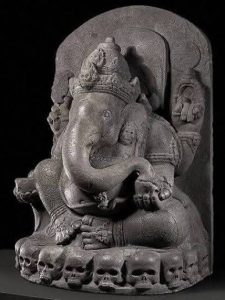
अब गणेश को ही देख लीजिए। भारत में वे गोल-मटोल, दयालु और बाधाएँ दूर करने वाले देवता हैं, जिनके हाथ में लड्डू है और जिन्हें गले लगाने का मन करता है। जावा और बाली में, उन्हें कभी-कभी खोपड़ियों के ढेर पर बैठे हुए दिखाया जाता है — यह पुरानी तांत्रिक परंपराओं का सीधा विस्तार है, जहाँ देवता श्मशान घाटों और ब्रह्मांड के विनाश के रक्षक भी होते हैं। किसी ने उन्हें एक ज़्यादा दोस्ताना और ‘एक्सपोर्ट’ करने लायक रूप में नहीं बदला। वे स्थानीय ही बने रहे, और ज़रूरत पड़ने पर डरावने भी दिखे।
हनुमान का मामला तो और भी अजीब है। भारत के हनुमान भक्ति की साक्षात मूरत हैं — सीना चीरकर राम और सीता को दिखाना, मंदिर के दरवाज़ों पर रोना, भक्ति के प्रतीक। जावा की रामायण भक्ति के मुख्य धारा बनने से पहले की है, इसलिए वहाँ के हनुमान एक दरबारी महाकाव्य के नायक और चालाक योद्धा हैं, न कि आज्ञाकारी भक्त। वही बंदर, लेकिन काम बिल्कुल अलग, क्योंकि वे तब पहुँचे थे जब भारत ने यह तय नहीं किया था कि उन्हें किस तरह का बंदर होना चाहिए।
इन सब की तुलना आधुनिक “सनातन धर्म” की बात से कीजिए: एक किताब, गुरुओं की एक परंपरा, पूरी तरह शाकाहारी, किसी खास जगह से न जुड़ा होना, कहीं भी आसानी से ले जाया जा सकने वाला, और खोपड़ियों की मनाही। शक की बात यह है कि धर्म का यह रूप तब बनता है जब वह ऐसे लोगों की नज़र में सम्मानजनक दिखना चाहता है जो सोचते हैं कि धर्मों को ईसाई या इस्लाम धर्म जैसा होना चाहिए।
इसीलिए मैं कहता हूँ कि सनातनी हिंदू नहीं हैं। वे एकरूपता चाहते हैं, विविधता नहीं। वे विविधता को बँटवारा मानते हैं। तो हर किसी को शाकाहारी होना चाहिए, हिंदी बोलनी चाहिए और यह दावा करना चाहिए कि संस्कृत, मुँह से पैदा हुए ब्राह्मणों की जादुई भाषा है।
 https://www.facebook.com/share/p/1Cyu1SyYzN/
So Indonesia looked at Balinese Hinduism in the 1950s and said: nice religion, shame it doesn’t have a holy book, a single god, or a prophet. Fix that or it’s not a real religion. And the Balinese, reasonably wanting to keep their temples open, said “sure” — quietly merged Brahma, Vishnu, and Shiva into one guy (Sang Hyang Widhi, very sorry to bother you), pointed at the Vedas and called it their Bible, got the paperwork stamped.
Nobody told the pigs. Babi guling is still the star of every temple feast. Nobody’s checking your gotra at the door. Try a Gujarati garba routine in a Balinese temple and you’ll be removed — not because Hinduism hates dancing, but because that’s simply not what this temple is for.
Krishna here is wrestler and fighter not a dancer surrounded by woman. No Raas-lila here. No Radha. No Bhagavata Purana.
Now look at Ganesha. In Bharat he’s the plump, benevolent remover of obstacles, laddoo in hand, very huggable. In Java and Bali, he’s sometimes shown seated on a pile of skulls — a straight continuation of older Tantric traditions where deities double as guardians of cremation grounds and cosmic dissolution. Nobody reworked him into a single friendlier export model. He stayed local, stayed frightening when the occasion called for it.
Hanuman fares even stranger. India’s Hanuman is devotion itself — chest torn open to reveal Ram and Sita inside, weeping at temple doors, the Bhakti mascot. Java’s Ramayana predates Bhakti’s rise as the dominant idiom, so their Hanuman is a court epic hero and trickster-warrior, not a submissive devotee. Same monkey, completely different job description, because he arrived before India decided what kind of monkey he should be.
Compare all this to the modern “Sanatana Dharma” pitch: one book, one lineage of gurus, strictly vegetarian, no geography attached, infinitely exportable, no skulls allowed. Suspiciously, this is the exact shape a religion takes when it’s trying to look respectable to people who think religions should resemble Christianity or Islam.
That is why I say Sanatanis are not Hindus. They want uniformity, not diversity. They see diversity as division. So everyone must be vegetarian, speak Hindi and claim Sanskrit is magical laguage of mouth-born Brahmins.